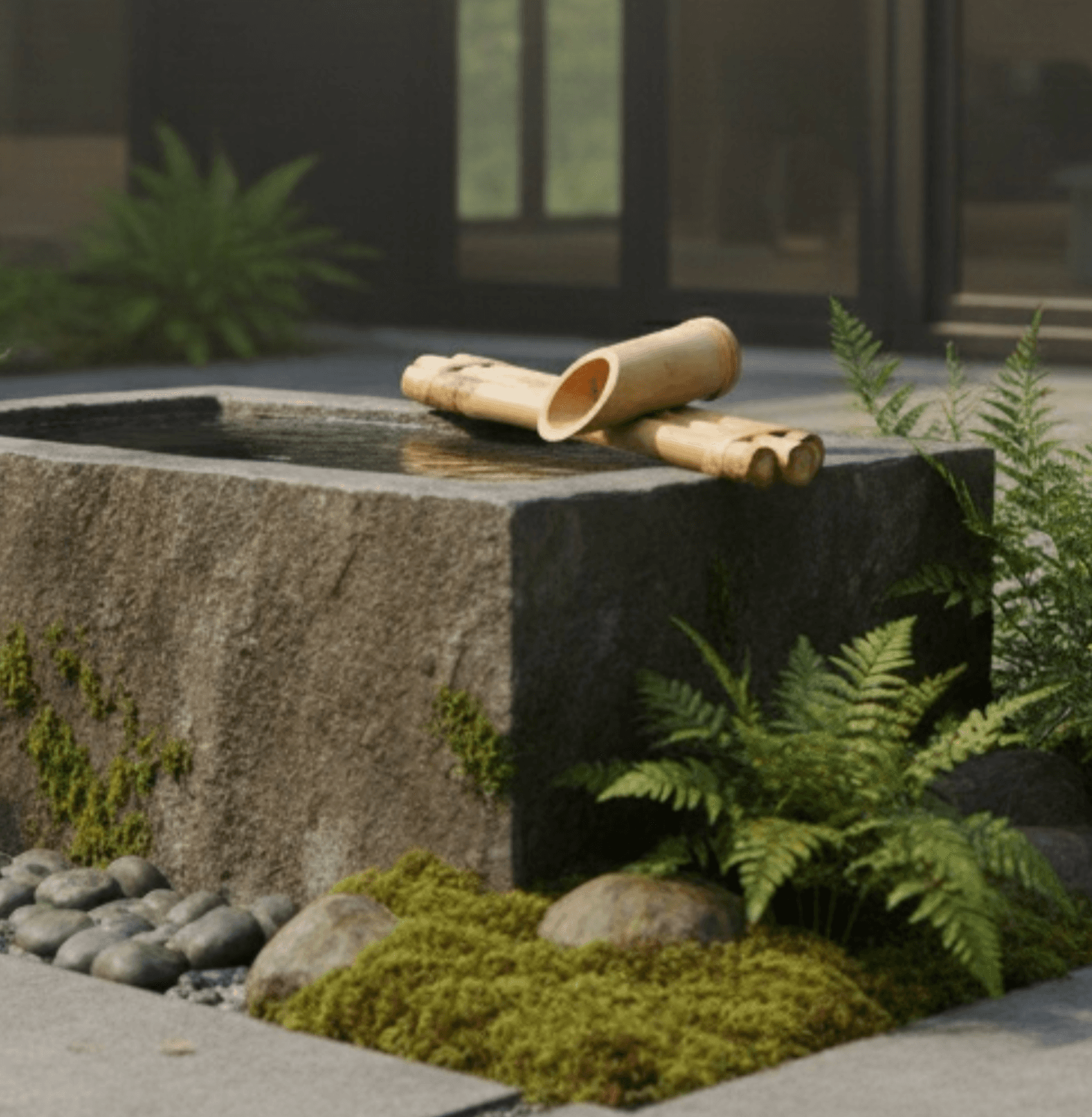
If you live near a busy road or in a neighborhood where sound carries, you've probably wondered whether adding a water feature could actually help. The short answer: yes, it can — and it doesn't take a massive waterfall to make a real difference.
How Fountain Sound Masks Noise
A fountain doesn't block noise the way a wall or fence does. Instead, it works through sound masking — introducing a consistent, natural sound that your brain prefers to focus on over irregular, jarring noises like car horns, engines, or voices.
Here's why it works:
- Flowing water produces broadband sound, meaning it covers a wide range of frequencies. This is similar to white noise.
- Your brain naturally prioritizes water sounds over mechanical noise. We're wired to find water calming and familiar.
- Irregular traffic noise becomes less noticeable when layered under a steady, pleasant sound.
You won't stop hearing a semi truck rumble past. But the background hum of traffic, neighbor conversations, and distant road noise? A fountain handles that surprisingly well.
What Size Fountain Do You Need?
More water movement means more sound coverage. Here's a rough guide:
- 7" fountain with low flow: Gentle trickle — good for masking light ambient noise in a small area, like a balcony or reading nook
- 12" fountain with medium flow: Steady stream — covers a typical patio seating area and masks moderate street noise
- 18" fountain with higher flow: Bold water sound — effective for larger patios or noisier environments
Our 12" Three-Arm and 12" Adjustable are the most popular choices for noise masking because they produce a full, steady water sound without being overwhelming.
Placement Matters
Where you put your fountain affects how well it masks noise:
- Between you and the noise source is ideal — place it on the side of your patio closest to the street
- Near your seating area so the water sound is prominent where you spend time
- Elevated slightly (on a table or raised planter) if you want the sound to carry further
You don't need the fountain right next to your ear. Even 6–10 feet away, flowing water creates a noticeable acoustic buffer.
Bamboo Fountains vs Other Water Features
Bamboo fountains have a specific advantage for noise masking: the water falls from a spout into a container, creating a continuous pouring sound rather than a gentle bubbling. That pouring action produces more sound per gallon of water movement than a bubbler or mister.
The Rocking Fountain (shishi odoshi) takes a different approach — it creates a rhythmic clack-and-pour pattern. This is less about constant masking and more about creating a meditative rhythm that draws your attention away from background noise.
What a Fountain Won't Do
A few things to keep realistic expectations about:
- It won't silence loud, close noise like a jackhammer next door or a highway 50 feet away
- It won't replace a sound barrier if you need serious noise reduction — for that, you'd want a fence, wall, or dense hedging in combination with a fountain
- Wind can reduce effectiveness on very breezy days, as the sound disperses
For most suburban and urban patios, though, a fountain provides a meaningful improvement in how peaceful the space feels.
The Psychological Effect Is Real
Beyond the physics of sound masking, there's a well-documented psychological component. Studies on restorative environments consistently show that water sounds reduce perceived stress and make people rate their surroundings as more pleasant — even when the measured noise level hasn't changed much.
In other words: your patio might technically still be the same volume, but it feels dramatically quieter and calmer with water running.
Want to hear the difference for yourself? Our fountain kits include everything you need — just add a container and water. Browse fountain kits or contact us for help choosing the right size for your space.